


Care Guide
The pieces in our showrooms are made by hand, sourced from makers we’ve worked with for years, and built from materials with their own minds. Treat them well and they’ll only get better with time.
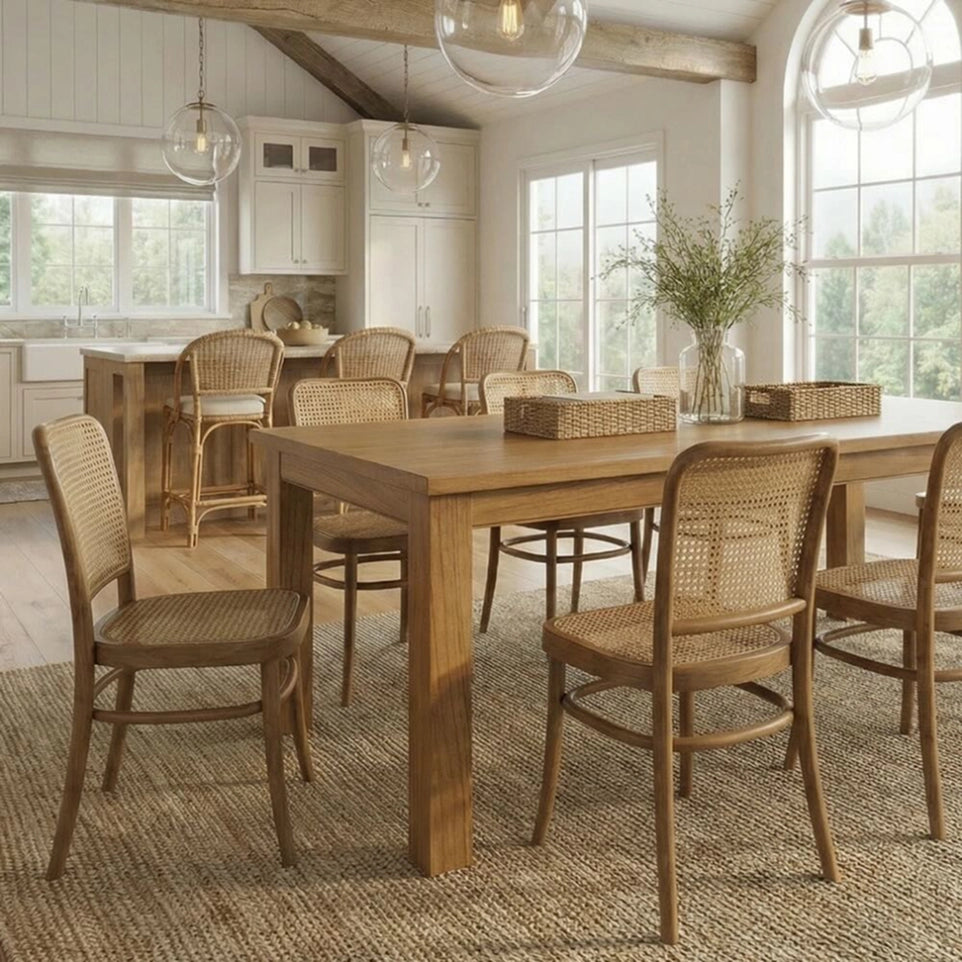
Solid Wood
Most of our timber furniture is built from solid mango hardwood at our long-standing factory in Java, hand-finished and unique by nature. Variations in grain, knots and tone are part of the material - not flaws to be polished out. Over the years, your piece will mellow into a deeper, warmer version of itself.
For everyday cleaning, wipe with a soft, dry cloth or a slightly damp one if needed. Skip the chemical sprays, abrasive scrubbers and silicone-based polishes - they strip the finish and dull the timber over time. A light buff with a microfibre cloth is usually all that’s needed.
Keep timber out of direct sunlight where possible, and away from heaters and air-conditioning vents. Australian conditions can be unforgiving - sustained heat dries the wood, and dramatic humidity swings can cause cracking or movement. Use coasters under hot mugs and placemats under serving dishes. Wipe spills immediately, especially anything with alcohol, citrus or oil, as these can lift or stain a finish.
If small splits appear along the grain over time, don’t panic. Solid timber breathes, and surface checks are a sign your piece is working as intended. They won’t compromise the structure - they’re part of how a real wood piece settles into a home.
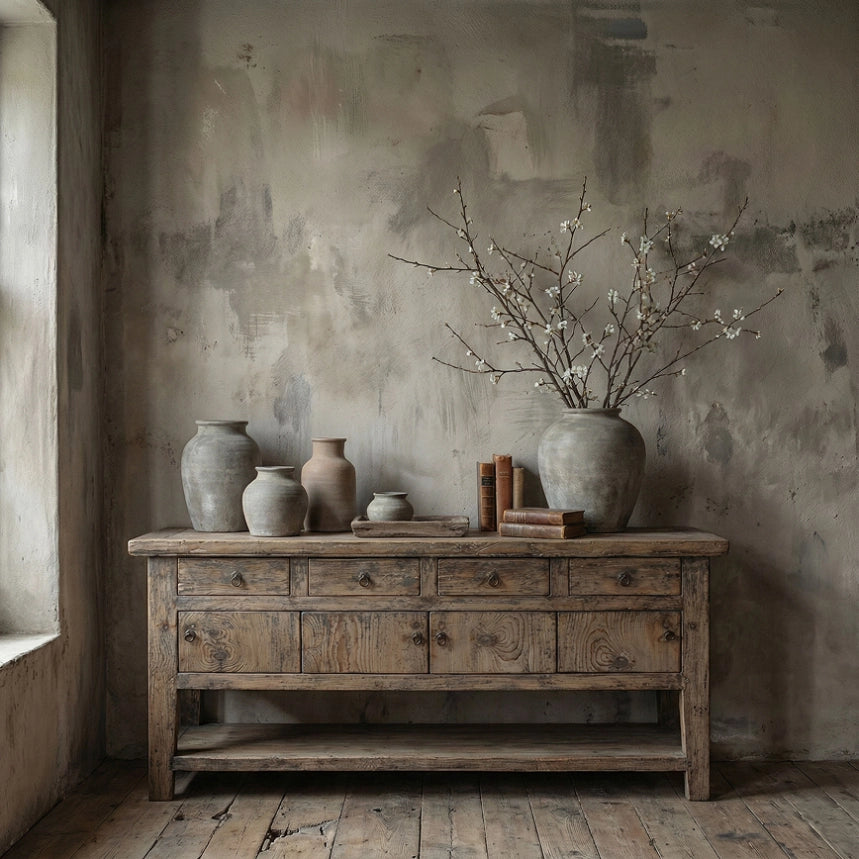
Antique
Our antique Chinese furniture is hand-picked, often a century
old or more, and carries the marks of its previous life. Original lacquer, old timber, hand-forged hardware: every piece is genuinely one of a kind.
These pieces ask for a gentler touch. Dust with a soft, dry
cloth only. Never use water, polish, oil or any cleaning product on the
original finish. What looks like dirt is often the patina that gives the piece its character. Keep antique pieces out of direct sunlight and away from heaters or vents, where dry heat can shrink and split old timber. If something more substantial happens, get in touch before you do anything to it.

Hamptons White Finishes
Our white Hamptons range is crafted from solid poplar and engineered wood, painted in a soft, bright white and finished with antiqued brass hardware. Each piece is hand-finished, so subtle variations in the paint are part of the look.
To keep the finish looking fresh, clean with a soft, damp cloth only. Skip the cleaning agents, the all-purpose sprays and anything abrasive: they’ll cut into the paint and dull the surface over time. Wipe spills the moment they happen, and dry the surface immediately rather than letting moisture sit.
Place pieces away from direct sunlight and out of the path of heaters and air-conditioning vents. Strong UV will yellow a white finish, and concentrated heat can cause the paint to lift or the timber underneath to move. With a soft cloth and a careful hand, the whites in your home will stay crisp for years.
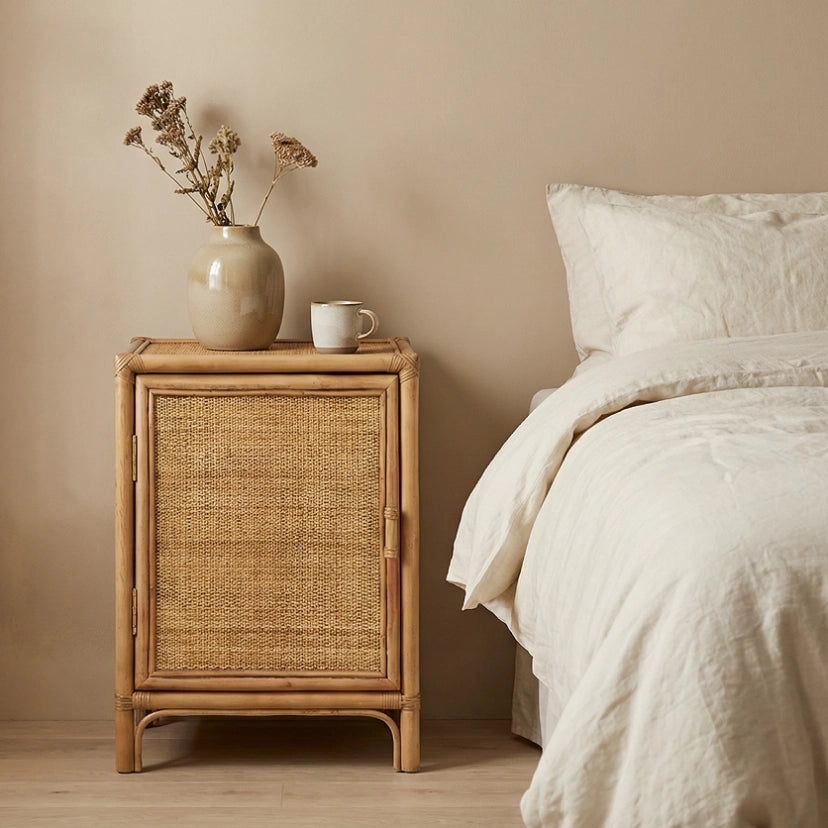
Rattan
Rattan and cane are handwoven from natural fibres, so the weave will have a character of its own. We recommend keeping rattan indoors, or at least undercover and out of direct sun and rain: too much exposure will dry the fibres out and cause them to loosen or split.
To clean, brush gently with a soft, dry brush to lift dust from the weave, then wipe with a barely damp cloth. Avoid soaking, harsh detergents and anything abrasive. If the rattan starts to feel dry over time, a light wipe with a furniture wax or a thin coat of natural oil will bring it back. Keep rattan a few metres away from heaters and reverse-cycle vents, as concentrated dry heat is the quickest way to make the fibres brittle.
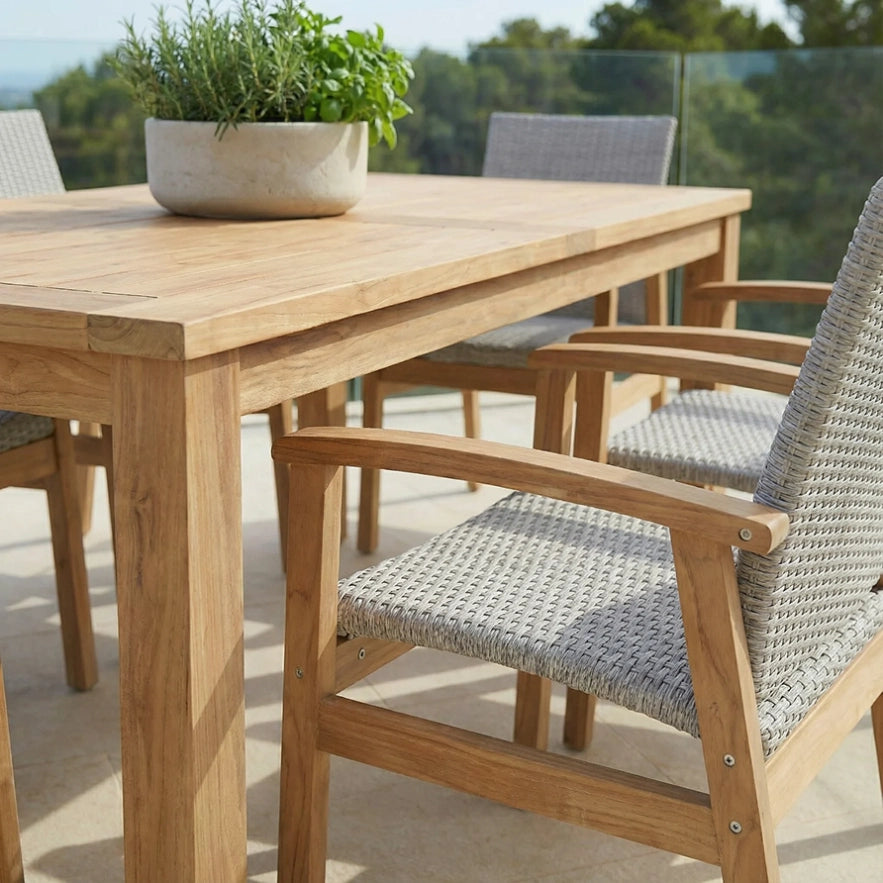
Outdoor
Our outdoor furniture is built from teak, one of the most weather-resistant timbers in the world, naturally rich in oils that hold up to sun, rain and salt air. Left untreated, teak weathers gracefully to a soft silver-grey within six to twelve months. Most of our customers love this look, and it’s how teak is meant to age.
If you’d rather hold onto the original honey tone, apply a teak sealer (not teak oil: sealer is the modern, longer-lasting choice) once or twice a year. Clean the surface with warm soapy water and a soft brush before sealing, and let it dry completely. Either way, the timber underneath stays just as strong.
For all-weather wicker and synthetic outdoor pieces, brush off loose dirt and wipe with a damp cloth as needed. Cover or store outdoor furniture during long stretches of harsh weather to extend its life.
Fabrics

Linen & Cotton
Linen and cotton both soften beautifully over time, and a little gentle creasing is part of the look. Wash linen and cotton covers in cold water on a gentle cycle, with a mild liquid detergent. Skip the bleach, the fabric softener and the dryer, as line drying in the shade is best, and high heat will shrink natural fibres.
For upholstered linen and cotton pieces - sofas, occasional chairs, bedheads - vacuum weekly with the soft brush attachment to lift dust before it settles. Rotate cushions regularly to keep the wear even. If something gets spilled, blot (don’t rub) with a clean white cloth and a tiny amount of mild soapy water. For anything more serious, a professional upholstery cleaner is the safer call. Avoid placing upholstered pieces in direct sunlight, as UV will fade natural fibres faster than anything else.

Leather
Leather is a natural material, so every hide carries its own character. Slight variations in grain, tone and softness are all part of the look. With a bit of regular care, leather only gets better with age, developing a deeper colour and softer feel over time.
Dust weekly with a soft, dry cloth, and vacuum into the seams with the brush attachment to lift any grit before it settles. For everyday cleaning, wipe with a barely damp cloth and dry immediately. Skip the saddle soap, baby wipes and household cleaners, they strip the natural oils. Once or twice a year, a small amount of leather conditioner applied with a soft cloth will keep the hide supple. Keep leather out of direct sunlight and away from heaters, both of which will dry and crack the surface over time.
Other materials
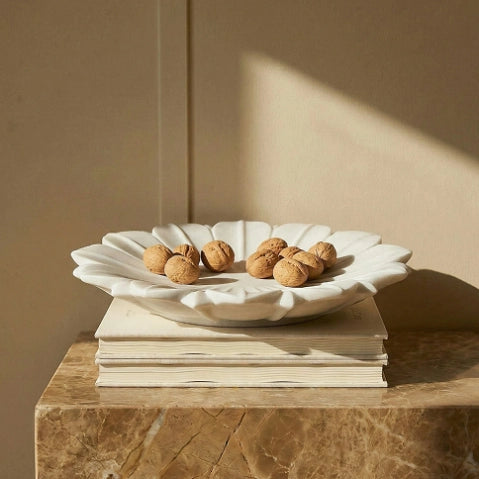
Stone & Marble
Marble, travertine and natural stone are quarried, not manufactured and every piece carries its own veining, tone and surface variation. That’s the point of choosing real stone, and it’s also why these pieces need a more thoughtful approach.
Wipe spills the moment they happen. Stone is porous, and red wine, coffee, lemon, tomato and oil will all stain or etch the surface if left to sit. Clean with a soft cloth and warm water - distilled is best - and skip anything acidic or abrasive, including vinegar, citrus cleaners and bicarb. Use coasters and placemats under hot dishes and anything wet, and avoid placing toiletries or perfume bottles directly on stone surfaces. For a deeper clean, a pH-neutral stone cleaner is the safest choice. Reseal stone surfaces every six to twelve months to keep them looking their best.
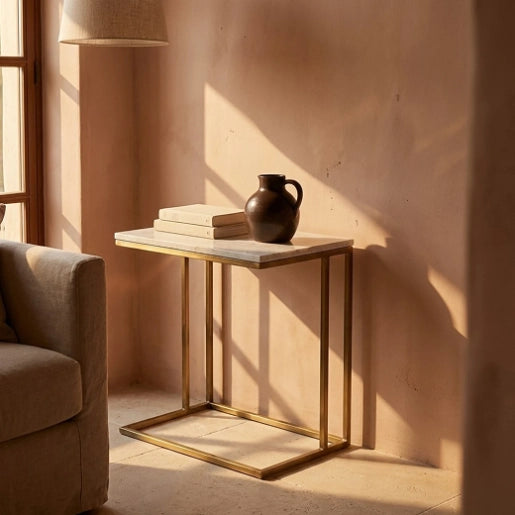
Metal
Brass, iron and aged metal finishes will all develop a natural patina over time: slightly darker, slightly softer, slightly more interesting. We think this is one of the best things about real metal, but if you’d rather keep the original finish bright, here’s how.
Dust with a soft, dry cloth. For anything more, use a damp cloth with a touch of mild soap, then dry immediately and thoroughly: sitting moisture is what causes corrosion. Avoid any abrasive cleaners, scouring pads or bleach-based products, as they’ll scratch and pit the surface. For brass that has tarnished, a specialty brass polish applied with a soft cloth every six to twelve months will bring back the shine. Iron and aged metals don’t need polishing, a wipe with a dry cloth is usually enough.
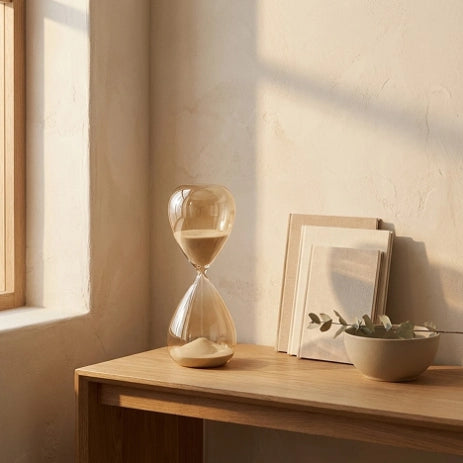
Glass & Mirror
Hand-wash decorative glassware in warm water with a mild detergent and a soft cloth. Skip the dishwasher unless the piece is specifically marked dishwasher-safe: heat and detergent cycles can cloud, etch or weaken glass over time, especially anything with a hand-applied finish.
Mirrors clean up easily with a soft microfibre cloth and a little water. Buff dry rather than letting moisture pool around the edges, where it can work its way under the backing and damage the silver. Avoid spray cleaners with ammonia or alcohol, as they’re harsh on antique-finish mirrors and aged frames. For mirrors with a timber frame, look after the frame the same way you would any piece of timber furniture.
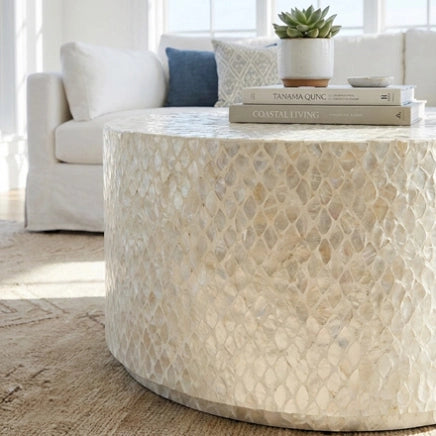
Capiz & Natural Shell
Capiz shell is made from translucent oyster shell, hand-cut and placed into our decorative pieces. It’s surprisingly hardy, but not indestructible.
Dust with a soft, dry cloth. For placemats and coasters, wipe gently with a barely damp cloth and dry immediately: never soak, never put them in the dishwasher. Capiz can chip if dropped or stacked roughly, so store flat and handle with the care you’d give a piece of china. Out of direct sunlight is best, as sustained UV will dull the natural pearlescence over time.
Homewares

Candles
Trim the wick to around 5mm before each burn: this gives a clean flame and stops the candle from smoking. The first burn is the most important: light the candle long enough for the wax to melt all the way to the edges of the vessel. Wax has memory, and that first pool sets the pattern for every burn after.
Don’t burn for more than four hours at a time, never leave a burning candle unattended, and keep candles away from drafts, curtains, kids and pets. Always burn on a heat-safe surface. When you’re done, snuff the flame rather than blowing it out, as it’s gentler on the wick and avoids smoke marks on the glass.

Decorative Objects
Our homewares range covers ceramic, timber, brass, glass, terracotta, resin and stone, and most of it has been hand-finished, which means each piece varies a little from the next.
As a rule, dust with a soft, dry cloth and wipe with a barely damp one when needed. Avoid abrasive cleaners, dishwashers and microwaves on anything decorative, even if it looks robust. Spot-check the underside of a piece before using any cleaning product on it. If you’re not sure, less is always more, as most of our pieces just need a wipe and a careful hand.
For anything we haven’t covered, or if you’d like specific advice for your piece, reach out or come and see us at one of our showrooms in Moore Park, Artarmon, Alexandria and Rydalmere.

Handcrafted Quality
Premium craftsmanship that's built to last

30 years of shack
Over a million happy customers

flexible delivery
Fast, local, and on your schedule

7-day returns
Try it at home, stress-free